English| EUR
Suggested for you
More currencies
Choose a language
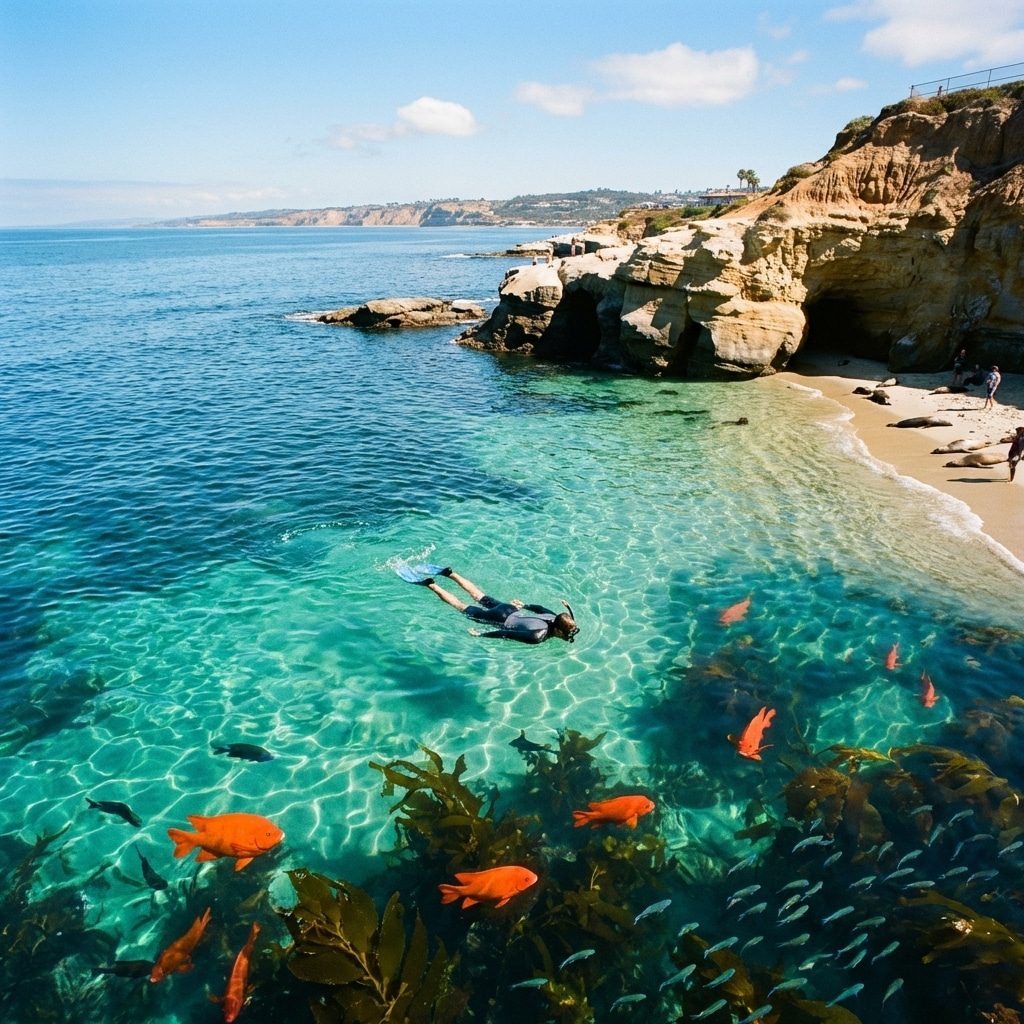
La Jolla Cove sits within the San Diego-La Jolla Underwater Park Ecological Reserve, drawing snorkelers to its kelp forests and resident marine life year-round. Safety depends on ocean conditions, your swimming ability, and understanding the cove's unique hazards. This guide covers what makes snorkeling here safe or risky on any given day.
Quick answer
Is it safe to snorkel in La Jolla Cove? Yes, when conditions are calm and you stay aware of surge, marine life, and your own limits. The protected reserve offers clear visibility and abundant sea life, but rocky terrain, swells, and occasional leopard sharks require caution. Mornings between 9:00 and 11:00 provide the calmest water and best visibility. Strong swimmers with snorkeling experience face minimal risk during summer and early fall, while winter swells and spring currents demand greater care.
La Jolla Cove records fewer than five snorkeling-related rescues per summer season, making it statistically safer than many Southern California beach breaks—yet the same rocky shelves and surge channels that create its rich ecosystem demand respect. The question of whether snorkeling La Jolla Cove is safe hinges on three factors: ocean state, your comfort in open water, and knowledge of the reserve's specific risks. The San Diego-La Jolla Underwater Park extends 6,000 acres along the coastline, and the cove serves as its most accessible entry point. Kelp beds dampen wave energy close to shore, creating a natural buffer during calm conditions. Visibility averages 15 to 30 feet year-round, with offshore winds in autumn pushing clarity past 40 feet. Garibaldi, leopard sharks, horn sharks, and California sea lions populate the reserve, and while none pose active threats, sea lions occasionally exhibit territorial behavior during pupping season in early summer. The rocks themselves present the primary hazard: surge funnels through narrow channels, and barnacle-covered boulders line the entry and exit zones. Snorkeling safety at La Jolla improves dramatically with timing. Early mornings see offshore breezes and minimal boat traffic. Lifeguards staff the beach daily, and the shallow shelf allows you to stand in chest-deep water before swimming out. Winter months bring unpredictable swells and stronger rip currents that pull toward the kelp line. Spring sees plankton blooms that reduce visibility but pose no physical risk. Summer and early autumn offer the most forgiving conditions, though weekend crowds increase the chance of collisions near the entry rocks. Experienced ocean swimmers find the reserve straightforward. Beginners should stay within 50 yards of shore, avoid days with visible whitecaps, and enter only when lifeguards confirm low surf. Wetsuits provide buoyancy and protect against scrapes. The substrate drops gradually, and marked buoys indicate the reserve boundaries. If surge pushes you toward rocks, swim parallel to shore rather than fighting directly back. Most incidents occur during exit, when tired swimmers misjudge the timing between wave sets. The cove remains free to access, and its reputation as a snorkeling destination rests on conditions that favor safety more often than not—provided you read the water before entering.
“Kelp beds dampen wave energy close to shore, creating a natural buffer during calm conditions, with visibility averaging 15 to 30 feet year-round.”
The best arrival window is 09:00–11:00, as morning conditions provide the calmest water and highest visibility for snorkeling. Arriving early minimizes environmental hazards and avoids peak daily crowd levels.
—
Calm waters and low congestion improve safety and visibility.
70–75°F water
Warmer water temperatures exist, though crowds are at their peak.
60–65°F water
Water is cooler, but visibility often improves before summer surge.
65–70°F water
Crowds decrease and water clarity remains high, making it a stable time to visit.
Verdict: The optimal time for safety and visibility is weekday mornings between 09:00–11:00 during the months of September or October.
La Jolla Cove's protected marine environment attracts snorkelers year-round, but several safety hazards catch visitors off guard. Understanding these risks before entering the water can prevent dangerous situations.
Swimming too close to sea lions
Sea lions are federally protected and can be aggressive when approached. Maintain at least 50 feet of distance at all times, and exit the water immediately if sea lions approach you.
Ignoring rip current warnings
Lifeguards post flags when rip currents are present. If caught in a current, swim parallel to shore until free, then angle back to the beach—never fight directly against it.
Snorkeling alone without telling anyone
Solo snorkeling increases risk if you experience equipment failure or fatigue. Always inform someone of your plans and expected return time, or snorkel with a partner.
Underestimating cold water effects
The Pacific Ocean here ranges from 57°F to 70°F, which can cause rapid heat loss. Wear a wetsuit even if the air feels warm, and limit time in the water if you start shivering.
Entering the water during high surf
Wave surges can slam snorkelers against rocks at the cove's edges. Check surf reports before arriving and avoid snorkeling when waves exceed 3-4 feet or when lifeguards advise against it.
La Jolla Cove sits within a protected marine reserve where state and local regulations dictate visitor conduct. Violating wildlife interaction rules or no-take policies carries fines and jeopardizes the ecosystem that makes snorkeling here worth the trip.
La Jolla Cove is accessible to the public every day of the week. The area remains open during the hours listed below.
Everything you need to know about is it safe to snorkel in la jolla cove
Yes, it is generally considered safe to snorkel in La Jolla Cove because the area is protected as a marine reserve, which minimizes boat traffic. However, visitors should always assess ocean conditions and their own swimming ability before entering the water. Snorkelers often wonder if it is safe to snorkel in La Jolla Cove, and the answer typically depends on current surf reports and personal comfort in the water. We recommend checking with local authorities to ensure it is safe to snorkel in La Jolla Cove on the day of your visit.
Lifeguards are stationed at the beach to monitor the area and provide safety information. They are the primary resource if you have questions about whether it is safe to snorkel in La Jolla Cove given the daily ocean conditions.
Morning hours between 09:00–11:00 are ideal, as the water is typically calmer with better visibility. This arrival window helps you avoid crowds and enjoy a more peaceful experience while exploring the underwater terrain.
The area is famous for the leopard sharks and the bright orange Garibaldi fish, both of which are generally harmless to humans. While it is safe to snorkel in La Jolla Cove, always maintain a respectful distance from all marine life to protect the ecosystem.
Tidal changes can create stronger currents, so checking tide charts is essential for your safety. Regardless of the tide, ensure you are comfortable navigating the entry points before heading out.
No, there is 0 USD entrance fee to access the beach and the cove. You can enjoy the marine sanctuary at no cost, though equipment rentals for your San Diego underwater tour are separate.
Children can snorkel if they are strong swimmers and wear proper flotation devices. Supervision is critical at all times, and parents should evaluate the current surf conditions to determine if it is safe for their family.